There has been significant momentum in the digital marketing world, from AI advancements reshaping productivity to platform revivals championing human-made content. In this roundup, we cover the return of Vine with a no-AI twist, new insights into what drives ChatGPT citations, and the launch of Claude Opus 4.5—an AI model transforming workflows. Here’s what marketers need to know.
- Authenticity is making a comeback: diVine’s no-AI policy taps into a growing demand for human-created content.
- SEO fundamentals still drive AI recognition: Backlinks and domain trust remain key predictors for ChatGPT citations.
- AI tools are evolving fast: Claude 4.5 is smarter, faster, and more enterprise-ready than ever.
Vine is back—sort of—and it’s taking a stand against AI
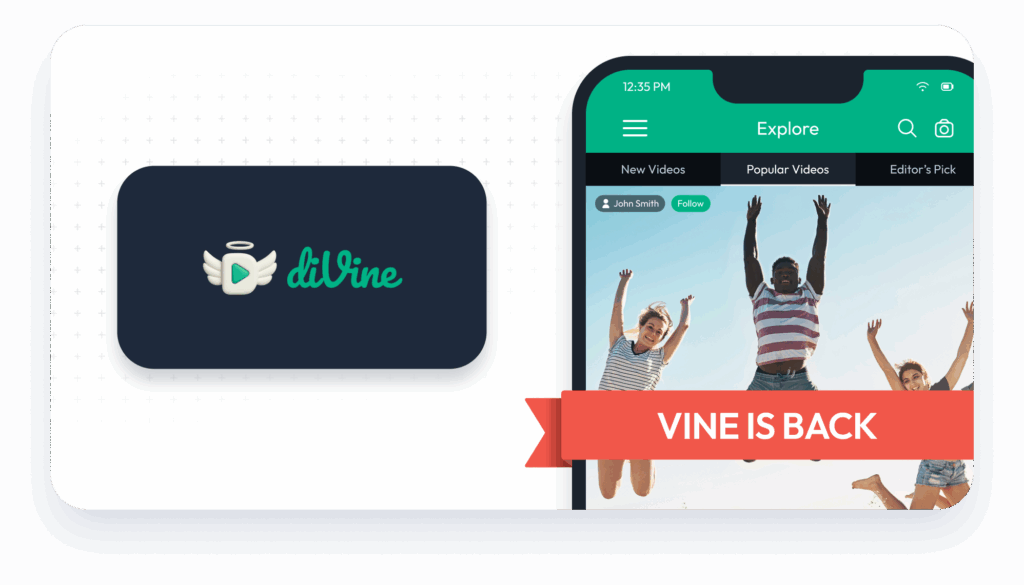
The beloved six-second video app that helped launch viral creators is getting a second act. Nearly a decade after its shutdown, Twitter co-founder Jack Dorsey is backing a new platform called diVine, and it’s more than just a nostalgic revival.
Key highlights:
- No AI allowed: diVine launches with a library of 100,000+ archived Vine clips and a strict ban on generative AI. Suspected AI-generated uploads are automatically flagged and rejected.
- A human-first feed: The platform aims to reclaim the creative spirit of the early internet—prioritizing authentic, people-powered content over synthetic or algorithmic media.
- Built on principles, not just features: Jack Dorsey, a major voice in tech and blockchain, is taking a clear stance: AI isn’t always needed.
What this means for marketers:
As AI becomes embedded in nearly every digital workflow, diVine offers a rare counter-narrative, one that prizes originality and human expression. For marketers, it’s a powerful reminder that authenticity still builds trust. Audiences crave content that feels personal and unfiltered. This opens up opportunities to connect through real stories—no bots required.
New data reveals what drives ChatGPT citations
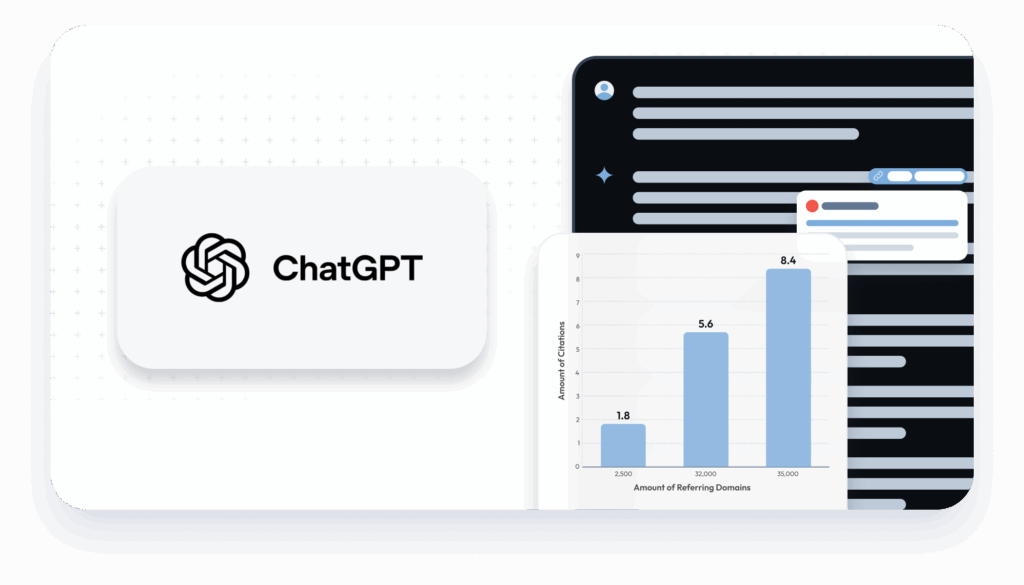
A recent study by SE Ranking analyzed over 129,000 domains to identify which factors most influence a website’s likelihood of being cited by ChatGPT. The findings confirm what many SEO pros already know: domain authority and trust still reign.
Key findings:
- Backlinks and trust signals matter most
- Sites with 2,500 referring domains averaged 1.6–1.8 citations.
- Those with 350,000+ referring domains averaged 8.4 citations.
- A sharp increase in citations occurred at the 32,000 referring domain threshold.
- Domain authority outweighs page-level metrics
- Domain Trust scores under 43 averaged just 1.6 citations.
- Scores between 91–96 saw an average of 6 citations, while those in 97–100 range hit 8.4 citations.
- Page Trust had minimal impact past a score of 28.
- SEO fundamentals still count
- Broad, high-quality backlink profiles and brand presence remain vital.
- Expertise, depth, and regularly updated content perform better than keyword-stuffed tactics.
What this means for marketers:
Earning ChatGPT citations isn’t about gaming the system; it’s about long-term SEO strength. Brands with trusted domains, diverse backlinks, and consistent content investments are more likely to be surfaced in AI-generated outputs. Curious how your site’s backlink profile stacks up?
Claude Opus 4.5 launches with major performance boosts
Anthropic has released its most advanced AI model yet, Claude Opus 4.5, and the early results are promising. This update is now available to Claude Pro users and enterprise teams.
Key highlights:
- Smarter and faster: Claude 4.5 improves performance across daily tasks like writing, summarizing, and creating slide decks.
- Coding powerhouse: Anthropic claims it now outperforms competitors in code generation and complex technical problem-solving.
- Enterprise-ready: Lower operating costs and greater reliability make it a strong contender for high-volume workflows.
What this means for marketers and teams:
AI is no longer a novelty, it’s becoming integral to content, operations, and strategy. Claude Opus 4.5 shows how far we’ve come, enabling lean teams to work faster without sacrificing quality. As capabilities grow, expect more marketers to rely on AI not just as an assistant—but as a true productivity partner.
Need help exploring AI in your workflow? Check out our AI-assisted content strategy services.
The bottom line: Foundational strategy meets future-facing tech
From diVine’s return to human-first content, to Claude 4.5’s leap in AI performance, to SE Ranking’s SEO-driven insights, one thing is clear: authenticity and authority still win. AI is moving fast, but long-term brand trust, solid SEO, and audience relevance remain key to standing out.
Marketers who combine innovative tools with core strategy and evolve without losing the human touch will lead. Those who over-automate or ignore credibility signals risk being filtered out by algorithms, audiences, and the competition.
Looking ahead
As we approach 2026, staying competitive means striking the right balance between automation and authenticity. We’ll continue tracking trends in AI integration, SEO strategy, and platform evolution.
Follow us on LinkedIn and tell us: Which trend are you watching most closely heading into the new year?