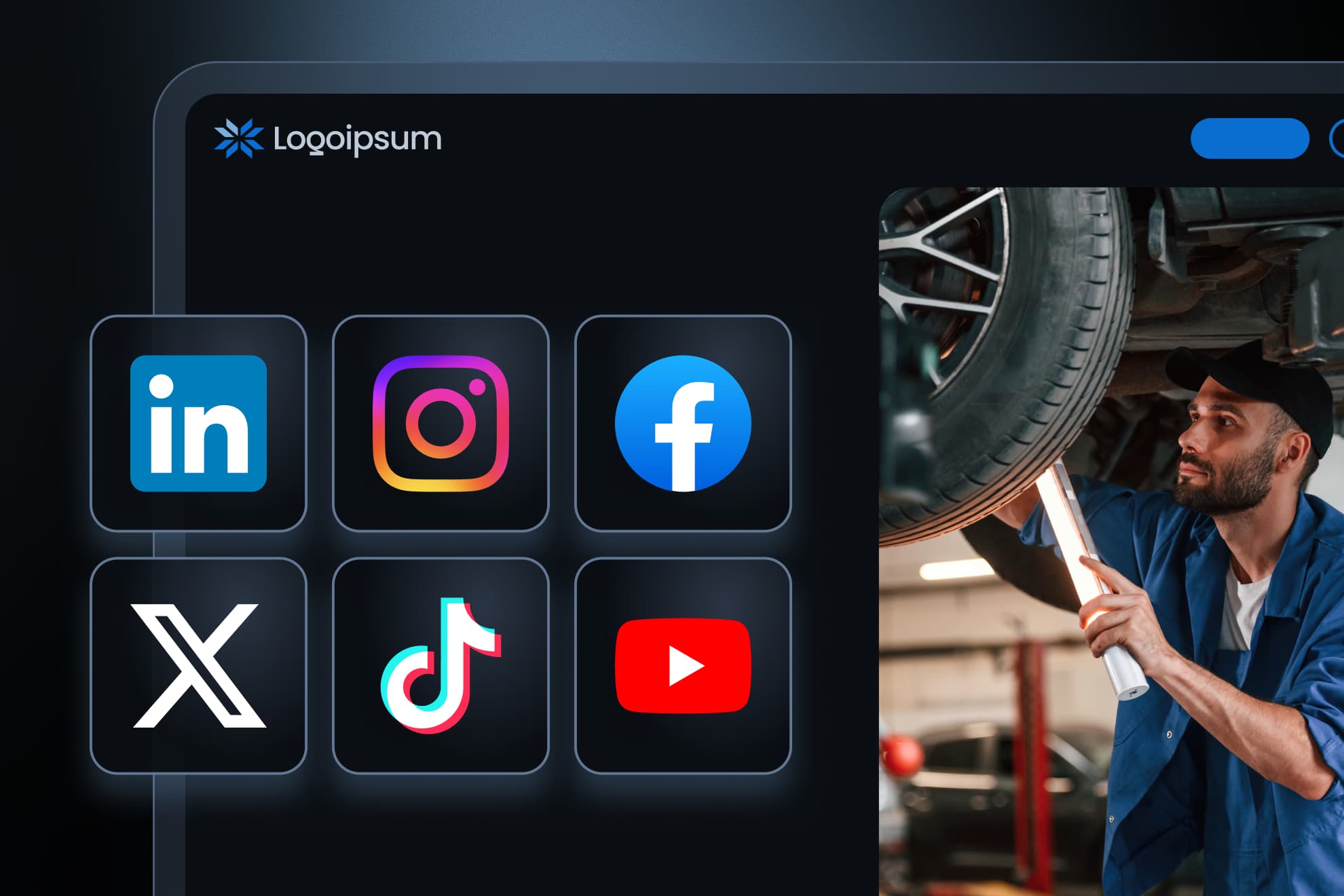
Instagram. Facebook. LinkedIn. X. TikTok. YouTube.
With so many social media platforms available, it’s easy to assume that your brand should have a presence on all of them.
But being everywhere isn’t necessarily a good social media strategy.
Every platform attracts a different audience, supports different types of content, and serves a different purpose. A B2B software company probably shouldn’t approach TikTok the same way a fashion retailer would . A local home services company may get significantly more value from Facebook than X. And a business with complex products may find that YouTube gives it opportunities that Instagram simply can’t.
The goal isn’t to ask, “Which social media platforms are the most popular?”
It’s to ask, “Where is our audience, and what can we offer them when we get there?”
In fact, according to Hootsuite, it emphasizes that most businesses are better off concentrating their resources on a smaller number of relevant platforms rather than trying to maintain six accounts without the time or content to support them properly.
So, where should your business be active? Let’s break down six of the biggest social media platforms, the types of businesses that may benefit most from each one, and how to decide which ones deserve a place in your strategy.
LinkedIn: For B2B, professional services, and thought leadership
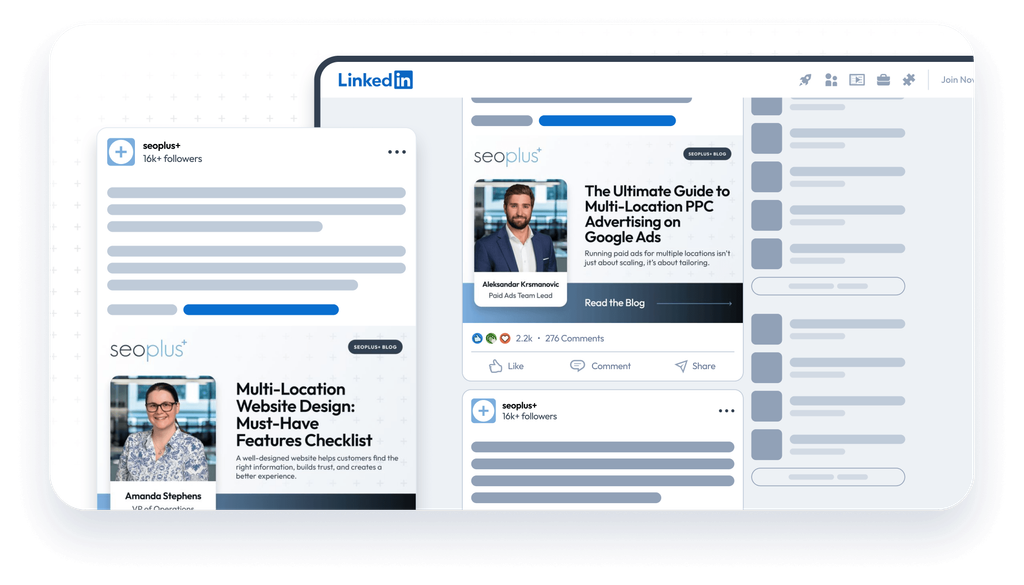
If your customers are other businesses, or the people making decisions within those businesses, LinkedIn should be high on your list.
Unlike platforms built primarily around entertainment or personal interests, LinkedIn is centred on professional identities and industry connections. That gives businesses an opportunity to reach prospective customers, employees, partners, and peers in a context where expertise and credibility matter.
According to Data Reportal, LinkedIn also has a substantial Canadian footprint, reporting approximately 29 million registered members in late 2025. Although it’s important to note that LinkedIn reports registered members rather than monthly active users, so this figure shouldn’t be directly compared with active-user figures from other platforms.
What types of businesses should use LinkedIn?
LinkedIn is especially relevant for:
- B2B companies
- SaaS and technology companies
- Marketing agencies
- Consulting firms
- Financial services companies
- Law firms
- Accounting firms
- Recruitment and HR companies
- Commercial real estate businesses
- Manufacturers and industrial companies
- Companies actively recruiting
- Executives and subject-matter experts building personal brands
For many B2B companies, LinkedIn isn’t simply another distribution channel. It can be a place to demonstrate expertise, build familiarity with prospective customers, and strengthen trust before a prospective customer ever contacts the sales team.
What should you post?
Focus on content that gives your audience a reason to pay attention to your business. That might include industry insights, original research, company news, case studies, employee perspectives, educational posts, expert commentary, videos, articles, newsletters, and behind-the-scenes content can all work.
And don’t limit your strategy to your company page. Your employees and executives can become some of your most valuable brand voices.
LinkedIn makes the most sense when your goal involves professional credibility, B2B relationships, recruiting, or thought leadership.
Instagram: For visual brands, products, and personality
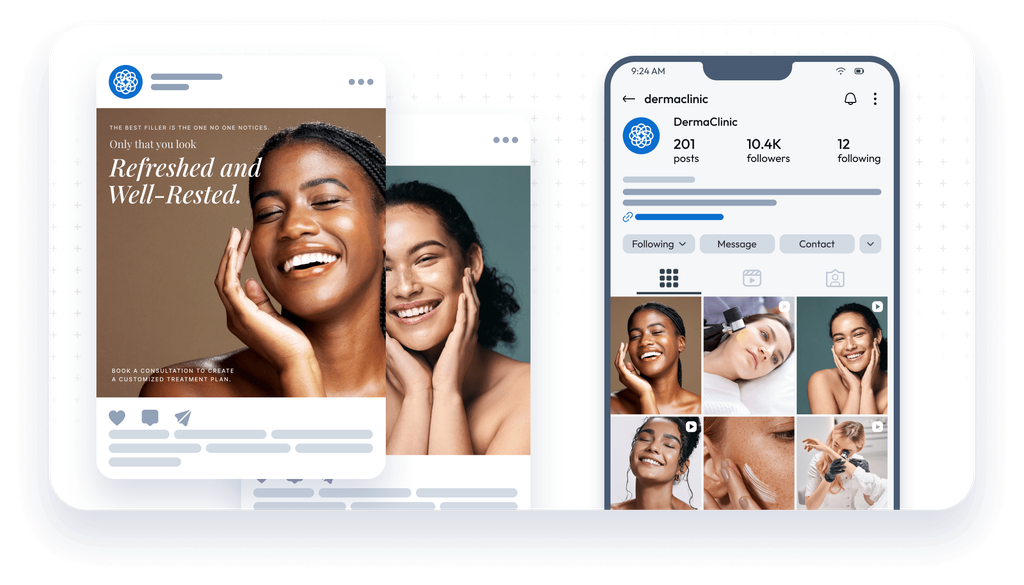
Instagram is a natural fit for businesses with something to show.
Between Reels, Stories, carousels, photos, and other visual formats, Instagram gives brands plenty of opportunities to make products, services, people, and experiences feel tangible.
What types of businesses should use Instagram?
Instagram can be particularly valuable for:
- Ecommerce and retail brands
- Restaurants, cafés, and hospitality businesses
- Travel and tourism companies
- Beauty, skincare, and wellness brands
- Fitness businesses
- Fashion and apparel companies
- Real estate professionals
- Interior designers, architects, and home improvement companies
- Photographers and other creative businesses
- Consumer brands with a strong visual identity
That doesn’t mean professional or B2B companies have to stay away.
An accounting firm, law firm, SaaS company, or digital marketing agency can still use Instagram effectively, but the content strategy may focus more on the people behind the business, educational content, workplace culture, and expertise.
What should you post?
Think Reels demonstrating products or answering common questions, before-and-after content, educational carousels, customer stories, behind-the-scenes content, employee features, and Stories that make your brand feel more immediate and human.
Instagram is especially useful when your audience benefits from seeing what you do rather than simply reading about it.
Facebook: For local businesses, communities, and broad audiences
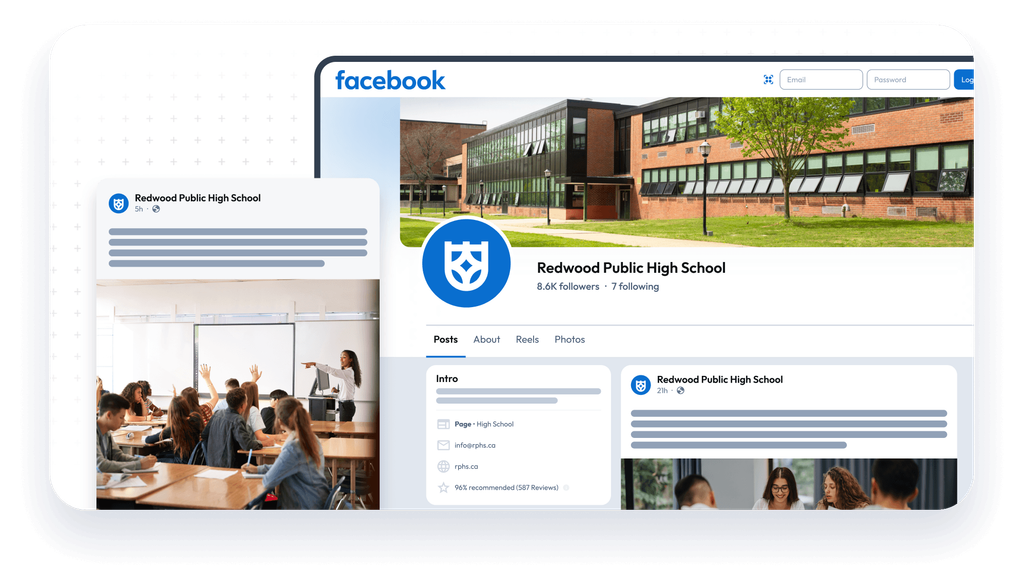
Facebook may not generate the same hype as newer platforms, but dismissing it because it isn’t the newest social network would be a mistake.
In a 2026 survey of marketers worldwide, Facebook remained the most commonly used social media platform for marketing, with 86% of respondents saying they used it.
Facebook’s broad audience, Groups, Events, business pages, advertising capabilities, and community features make it particularly versatile.
What types of businesses should use Facebook?
Facebook can be a strong choice for:
- Local businesses
- Home service companies
- Restaurants
- Professional services
- Multi-location businesses
- Community organizations
- Schools and educational organizations
- Healthcare and wellness businesses
- Event-based businesses
- Businesses targeting parents, homeowners, or established adult audiences
For local businesses in particular, Facebook can support both awareness and trust.
A contractor, for example, might share completed projects, testimonials, seasonal tips, company updates, and community involvement. A restaurant might use it to promote specials and events. A school could share news and give prospective families a glimpse into its community.
Facebook Groups can also be valuable when community is an important part of the customer experience.
What should you post?
Useful Facebook content can include company updates, photos and videos, educational content, testimonials, promotions, events, community news, links to useful resources, and short-form video can all have a place in a Facebook strategy.
Facebook is particularly worth considering when local awareness, trust, and community influence purchasing decisions.
X: For real-time conversations and industry commentary
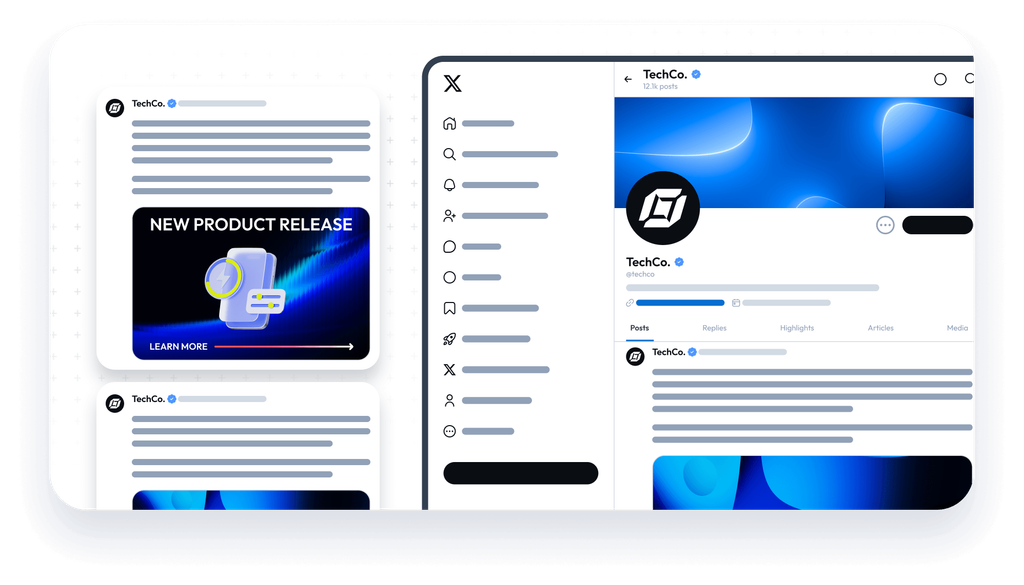
X occupies a somewhat different position from the other platforms on this list.
Its strength is less about building a polished library of evergreen content and more about participating in conversations as they happen. That can make X relevant for businesses operating in fast-moving industries where news, opinions, announcements, and industry developments generate ongoing discussion.
However, its Canadian reach is smaller than several of the other major platforms covered here. DataReportal reported an X advertising audience of approximately 9.74 million users in Canada in late 2025.
What types of businesses should consider X?
X may be worth considering for:
- Technology companies
- SaaS businesses
- Media organizations
- Journalists and publishers
- Sports and entertainment brands
- Companies involved in fast-moving industries
- Brands with active PR and communications strategies
- Founders and executives who regularly contribute to industry conversations
It may be less of a priority for businesses that rely primarily on visual discovery or local consumer searches.
A landscaping company, for example, may find Instagram and Facebook more useful. A technology founder commenting on AI developments may find a much more relevant conversation happening on X.
What should you post?
Focus on content that is timely and relevant to what your audience is already discussing. That can include company announcements, industry news, event commentary, short insights, links to original content, and responses to relevant conversations.
X tends to make the most sense when your business has something useful to contribute to real-time conversations.
TikTok: For discovery, personality, and short-form video
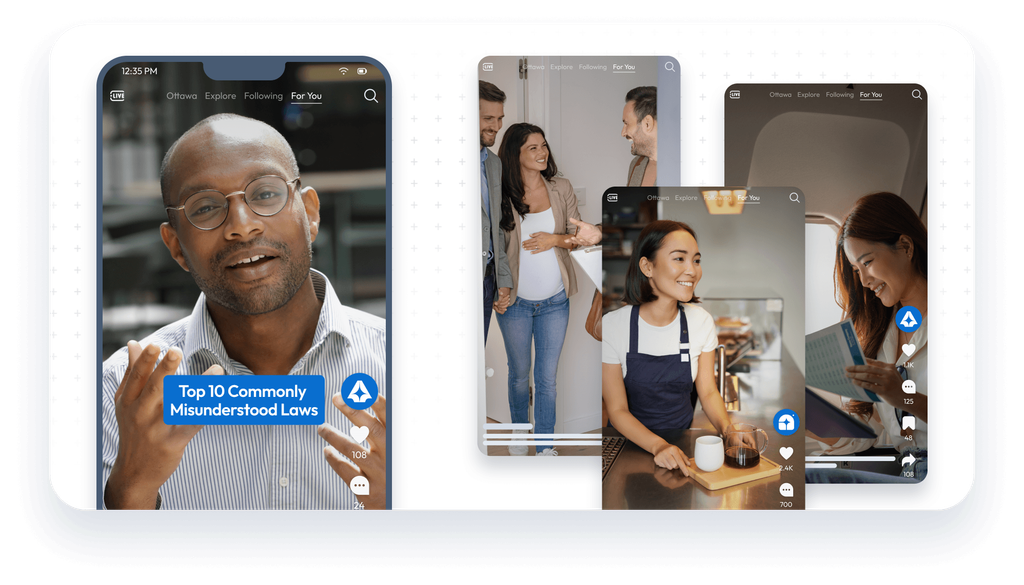
TikTok changed what businesses expect from social media.
Instead of relying primarily on an existing follower base, TikTok’s content-driven discovery model gives brands the opportunity to reach people who may never have encountered them before.
And while TikTok is strongly associated with younger consumers, businesses shouldn’t assume that means the platform is only useful for brands selling to teenagers.
The bigger question is whether your business can translate what it does into entertaining, educational, relatable, or surprising short-form video.
What types of businesses should use TikTok?
TikTok can be particularly effective for:
- Consumer brands
- Ecommerce companies
- Beauty and fashion businesses
- Food and beverage brands
- Fitness and wellness businesses
- Travel companies
- Entertainment businesses
- Educational brands
- Businesses with strong personalities or knowledgeable experts
- Brands targeting Gen Z and younger Millennials
But “serious” industries don’t necessarily need to rule it out.
A lawyer explaining commonly misunderstood laws, a realtor discussing home-buying mistakes, or a mechanic demonstrating what a strange engine noise means can all turn expertise into approachable short-form content.
What should you post?
TikTok content can include quick tips, demonstrations, FAQs, myths and misconceptions, behind-the-scenes videos, employee content, reactions, educational explainers, and videos built around relevant trends.
The biggest mistake businesses can make on TikTok is trying too hard to look like an advertisement.
TikTok tends to reward content that feels like content first and marketing second.
YouTube: For education, search, and long-term content

YouTube is unique because it sits somewhere between a social network, entertainment platform, and search engine.
Someone might discover an Instagram Reel while casually scrolling. On YouTube, that same person might intentionally search for a 10-minute explanation of exactly how a product, service, or process works.
That intent can make YouTube particularly valuable for businesses selling products or services that require research and education.
And brands no longer have to choose exclusively between long and short video. YouTube Shorts gives businesses another way to repurpose and distribute short-form content alongside more in-depth videos.
What types of businesses should use YouTube?
YouTube can be especially valuable for:
- SaaS and technology companies
- Home improvement businesses
- Financial and professional services
- Educational businesses
- Ecommerce brands with demonstrable products
- Fitness businesses
- Automotive companies
- Real estate businesses
- Manufacturers
- Businesses selling complicated or high-consideration products and services
Think about the questions your customers type into Google or YouTube.
“How does this work?”
“Which option should I choose?”
“How much does this cost?”
“Can I do this myself?”
“What should I know before buying?”
If your business can answer those questions well on video, YouTube deserves serious consideration.
What should you post?
Tutorials, how-to videos, product demonstrations, webinars, interviews, comparisons, FAQs, case studies, customer stories, expert explainers, and Shorts can all support a YouTube strategy.
YouTube can be particularly valuable when you want content with a longer shelf life. seoplus+ has also noted YouTube’s increasing emphasis on personalized recommendations, which can give niche creators and brands opportunities to reach highly relevant audiences without necessarily achieving mass-market virality.
So, which social media platforms does your business actually need?
There isn’t one combination that works for every business.
Instead of asking whether you should have Instagram, TikTok, LinkedIn, Facebook, X, and YouTube accounts, start with a few more useful questions:
- Who are we trying to reach? Identify your actual customer, not the audience you assume you should be targeting.
- Where does that audience spend its time? Look at demographics, competitors, customer behaviour, and your own analytics.
- What are we trying to accomplish? Brand awareness, community building, lead generation, recruiting, customer education, and ecommerce sales may each point toward different platforms.
- What type of content can we realistically create well? If nobody on your team can consistently produce video, launching four video-heavy channels at once probably isn’t the right starting point.
As a quick starting point, you might think about platform fit like this:
| If your business is… | Platforms to consider |
| Ecommerce / Retail | Instagram, TikTok, Facebook, YouTube |
| B2B / SaaS | LinkedIn, YouTube, X |
| Local Service Business | Facebook, Instagram, YouTube |
| Restaurant / Hospitality | Instagram, Facebook, TikTok |
| Professional Services | LinkedIn, Facebook, YouTube |
| Beauty / Fashion / Lifestyle | Instagram, TikTok, YouTube |
| Technology / Startup | LinkedIn, X, YouTube, TikTok |
| Real Estate | Instagram, Facebook, YouTube, LinkedIn |
| Education / Training | YouTube, LinkedIn, TikTok, Facebook |
| Media / News / Publishing | X, YouTube, TikTok, Instagram |
You don’t need to be everywhere. You need to be strategic.
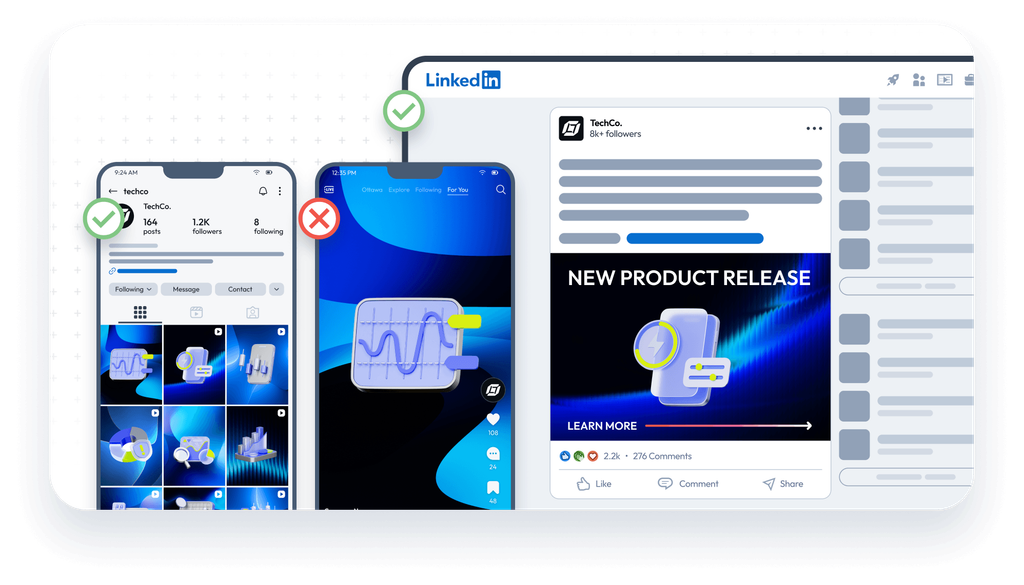
Social media platforms will keep evolving. Algorithms will change, new content formats will emerge, and the platform everyone is talking about today may not be the platform everyone is talking about tomorrow.
Your strategy shouldn’t depend on chasing every new platform.
Instead, focus on understanding your audience, creating genuinely useful content, and investing your resources in the channels where those two things overlap.
At seoplus+, we help businesses develop social media strategies built around their audiences and business objectives, from strategic social media management to engaging short-form video content for platforms including Instagram Reels, TikTok, and YouTube Shorts.
Not sure where your business should be showing up online? Get in touch with the seoplus+ team to build a social media strategy designed around your audience, your goals, and your brand.
FAQ’s:
Should you create social media accounts even if you can’t post regularly?
Yes, but it’s better to be strategic than to create an account on every platform simply for the sake of being there. Start with the platforms that are most relevant to your audience and that you can realistically maintain. An inactive or outdated account may give potential customers the wrong impression, so focus on building a strong presence on one or two platforms before expanding.
How often should a business post on social media?
There’s no universal posting frequency that works for every business. How often you should post depends on the platform, your audience, your resources, and the type of content you create. Consistency is generally more important than posting as often as possible. Create a realistic schedule you can maintain while prioritizing useful, engaging content over volume.
Should businesses use the same content on every social media platform?
Businesses can repurpose content across platforms, but it’s best to adapt it for each channel. Every platform has its own audience expectations, formats, and features. For example, a detailed LinkedIn post could become a short-form TikTok or Instagram Reel, while a YouTube video could be broken into several shorter clips. The core message can stay consistent while the presentation changes to suit the platform.
How do you know if a social media platform is working for your business?
Start by defining what you want social media to accomplish. Depending on your goals, useful metrics might include reach, engagement, website traffic, leads, conversions, sales, or inquiries. Rather than focusing solely on follower counts or likes, look at whether the platform is contributing to meaningful business results. Reviewing performance regularly can help you determine where to invest more time and resources.
Should a business focus on organic social media or paid social media?
For many businesses, organic and paid social media work best together. Organic content can help you build relationships with your audience, showcase your brand, and maintain an active presence. Paid social media can help you reach targeted audiences beyond your existing followers and support specific goals such as generating leads, increasing website traffic, or promoting an offer. The right balance will depend on your goals, audience, and budget.
When should a business stop using a social media platform?
Consider stepping away from a platform when it consistently requires significant time or resources without contributing to your business goals. Before abandoning it, review your strategy, content, audience, and performance to determine whether the platform itself is the problem or your approach needs adjusting. If your target audience isn’t active there or another channel consistently produces stronger results, reallocating your resources may make sense.